

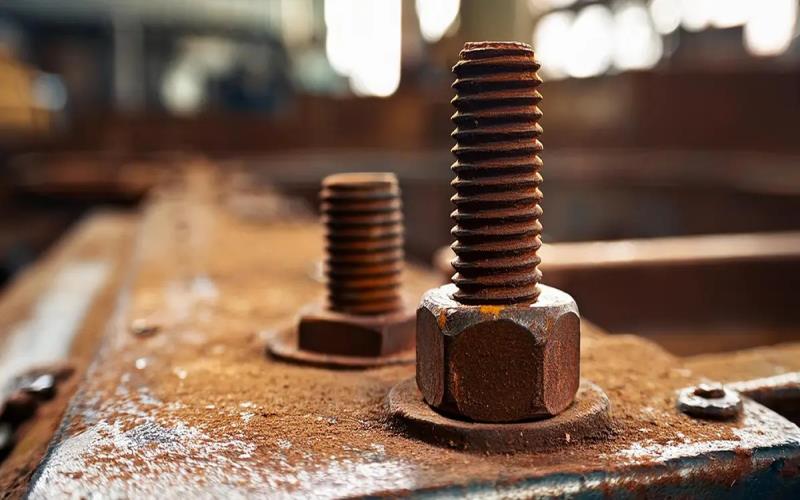
Over time, exposure to moisture, chemicals, and environmental factors causes fasteners to corrode, making them difficult to remove. When these fasteners are rusted, it can present a frustrating obstacle in repair and maintenance tasks, often leading to stripped heads, broken bolts, or damage to surrounding materials. However, with the proper techniques and tools, rusted fasteners may be loosened safely without unnecessary damage.
This article explores the causes of fastener rust, the best tools for removal, the role of heat and chemical solutions, and essential tips for preventing damage.
Why Do Fasteners Rust Over Time?
Various types of fasteners rust over time, primarily due to environmental exposure and material properties. Rusting is an oxidative process that results in the formation of iron oxide. This oxide forms when metal (particularly iron or steel) reacts with oxygen and moisture, weakening the fastener and potentially compromising structural integrity.
Below are key reasons why fasteners corrode over time.
Exposure to Moisture and Oxygen
Moisture and oxygen exposure are the primary factors that cause rust formation. Therefore, when metal fasteners, particularly those made of iron or steel, come in contact with moisture and oxygen, they rust after a while. This reaction accelerates in humid environments or when fasteners are regularly exposed to water.
Presence of Salt and Chemicals
Fasteners applications in coastal regions, marine environments, or industrial settings are at higher risk of corrosion due to salt and chemicals in the air. Saltwater significantly accelerates rusting by acting as an electrolyte that speeds up oxidation.
Lack of Protective Coatings
Fasteners without protective coatings, such as zinc plating, galvanization, or anodization, are more prone to rust. These coatings create a barrier between the metal surface and corrosive elements, reducing oxidation rates.
Galvanic Corrosion
When different metals are used together in the presence of an electrolyte (such as water or humidity), galvanic corrosion can occur. For example, using a steel fastener with an aluminum part can create an electrochemical reaction that accelerates the rusting of the less noble metal.
High Temperatures and Humidity
Applying mechanical fasteners in hot and humid environments, such as engines or industrial machinery, increases the risk of rusting. Due to increased exposure to moisture and high temperatures, they experience faster oxidation, promoting chemical reactions that lead to rust.
Mechanical Wear and Scratches
When fasteners experience friction, wear, or scratches, protective coatings may wear off, exposing the underlying metal to the elements. This makes them more susceptible to rust and degradation over time.
Poor Maintenance and Neglect
Fasteners not adequately cleaned, lubricated, or periodically checked for corrosion are more likely to rust. Therefore, regular maintenance should include applying anti-rust sprays or lubricants, which helps extend their lifespan.
What Tools Are Best for Removing Rusted Fasteners?
Removing rusted fasteners may be challenging, but the right tools make the process easier and help prevent damage to surrounding materials.
Below are essential tools for efficiently loosening and extracting rusted bolts, screws, and nuts:
Penetrating Oil and Wrenches
Penetrating oil (such as WD-40, PB Blaster, or Liquid Wrench) is commonly used to remove rust on mechanical fasteners. The oils seep into the rusted threads, breaking down corrosion and lubricating the fastener. The machinist must spray the oil onto the rusted fastener and let it sit for at least 10–15 minutes (or longer for severe rust). Afterward, an adjustable socket or box-end wrench may gently turn the fastener.
Impact Wrench or Driver
An impact wrench or driver delivers sudden bursts of torque, helping to break free rusted fasteners stuck due to corrosion. Attach the correct socket size, apply force carefully, and let the tool generate high torque to loosen the bolt or nut.
Heat Source (Propane Torch or Induction Heater)
Heat expands the metal and breaks the bond caused by rust, making it easier to turn and remove stuck fasteners. The operator will apply heat around the rusted fastener for 30 seconds to a minute to perform this. Then, use a wrench or pliers to attempt removal.
Bolt Extractor Set
A bolt extractor (or screw extractor) is another effective tool for removing rust. It is designed to grip strip rusted fasteners tightly, allowing for easier removal. You can do this by drilling a pilot hole into the fastener. Afterward, insert the extractor and turn counterclockwise using a wrench or drill. The reverse threads grip the bolt and help remove it.
Wire Brush and Rust Remover
A wire brush scrapes off surface rust, while chemical rust removers (such as phosphoric acid or vinegar solutions) help dissolve corrosion for easier removal. Scrubbing the fastener with a wire brush is performed first. Then, apply the chemical rust remover, let it sit for a few minutes, and attempt to loosen the fastener with a wrench.
How Does Using Heat Help Loosen Stuck Fasteners?
Rusted or seized fasteners can be challenging to remove, especially when corrosion has bonded them to surrounding materials. As discussed earlier, heat application is one effective technique for loosening stuck fasteners. This method works by taking advantage of the physical properties of the metal, particularly thermal expansion, to break the rust bond and make removal easier.
Generally, metals expand upon exposure to adequate heat. Therefore, applying heat to a rusted bolt or nut causes it to expand slightly, while the surrounding material may remain cooler. As the fastener expands, microscopic gaps form between the bolt and the threads, breaking the grip caused by rust and oxidation. However, the gaps remain as the metal cools down, reducing friction and making it easier to turn the fastener with a wrench or socket.
In addition, heat helps burn off moisture and break down rust or iron oxide, which forms due to prolonged exposure to moisture and oxygen. High temperatures cause the rust to dry out and flake away, reducing its hold on the metal surfaces. This is particularly useful when combined with penetrating oils. By heating the fastener first and then applying penetrating oil, the oil can seep deeper into the loosened threads, further aiding removal.
Machinists utilize various heat sources for this process. A typical example is a propane torch, which is more common for home and workshop applications. It provides concentrated heat that can be directed at the fastener. However, the operator must apply the heat gradually and avoid excessive temperatures that could weaken the fastener or damage nearby materials.
However, induction heaters are often used in professional settings for more controlled heating. This device uses electromagnetic induction to generate heat directly within the metal, reducing the risk of overheating surrounding components.
What Chemical Solutions Can Dissolve Rust Effectively?
Besides heat application, chemical solutions are also effective for breaking down corrosion without damaging the metal underneath. The right rust-dissolving chemicals can penetrate deep into the rust layers, loosening the bond between the fastener and the surrounding material.
Below are practical chemical solutions for the effective dissolution of rusts.
Penetrating Oils (WD-40, PB Blaster, Liquid Wrench)
Penetrating oils are among the most common and effective solutions for loosening rusted fasteners. These oils seep into microscopic gaps in the rust, reducing friction and making turning the bolt or nut easier. WD-40, PB Blaster, and Liquid Wrench are popular choices due to their ability to break down rust while also providing lubrication. For best results, apply the oil and let it sit for 10–15 minutes before attempting removal.
White Vinegar (Acetic Acid)
Due to its acetic acid content, white vinegar is a natural rust remover. When applied to rusted fasteners, it reacts with iron oxide (rust) and dissolves it over time. Submerging small fasteners in vinegar for several hours or applying it with a brush to larger bolts can weaken the rust, making removal easier. However, vinegar may also react with certain metals; therefore, ensure that the fastener is thoroughly rinsed after exposure to white vinegar.
Phosphoric Acid-Based Rust Converters
Phosphoric acid is a strong rust remover that chemically converts rust into iron phosphate, a black protective coating that prevents further corrosion. This mineral acid is a common ingredient in commercial rust converters like Loctite Naval Jelly, as it is particularly effective for heavily rusted fasteners. However, it should be applied with a brush and left to react for a set period before scrubbing or rinsing.
Lemon Juice and Baking Soda
For a milder, eco-friendly approach, a mixture of lemon juice (citric acid) and baking soda can remove light rust. The citric acid in lemon juice breaks down rust while baking soda provides mild abrasion to help lift it away. This method works best for lightly rusted fasteners or as a follow-up to other chemical treatments.
Tips for Preventing Damage During Rusted Fastener Removal
Removing rusted fasteners can be challenging, and improper techniques may damage surrounding materials or even break the fastener. To avoid complications, follow these essential tips.
- Use Penetrating Oil and Let It Sit: Penetrating oils such as WD-40 or PB Blaster help loosen rust by seeping into the threads. However, for heavily rusted fasteners, let them sit for at least 15–30 minutes, or even overnight, before attempting removal.
- Select the Right Tools: Using the correct wrench or socket size ensures a firm grip on the fastener, reducing the risk of stripping the head. A six-point socket provides better contact than a twelve-point, minimizing slippage.
- Apply Steady, Controlled Force: Avoid sudden jerks when turning the fastener. Instead, use a breaker bar or torque wrench to apply steady, controlled force. If the fastener resists, alternate between tightening and loosening to break the rust’s grip.
- Use Heat to Expand the Metal: Heating the fastener with a propane torch causes metal expansion, which can break the rust bond. After heating, let it cool slightly before attempting removal. However, be cautious, especially when heat-sensitive materials are nearby.
- Tap Lightly with a Hammer: Tapping the fastener with a hammer can help break up rust and loosen the threads. A few firm but controlled strikes with a ball-peen hammer or punch can improve removal success.
- Avoid Over-Torquing: Forcing a stuck fastener with excessive torque may cause it to snap. If resistance is high, stop and reassess—apply more penetrating oil, use heat, or try a different approach before increasing force.
- Use a Bolt Extractor for Stubborn Fasteners: If a fastener starts to strip or refuses to budge, use a bolt extractor. These specialized tools grip damaged heads and provide extra leverage for removal without harming surrounding materials.
Conclusion
Removing rusted fasteners requires patience, the right tools, and careful techniques to avoid damage or breakage. Understanding why fasteners rust, selecting effective removal methods, and applying preventive measures can make the process smoother. Whether using penetrating oils, heat, or chemical rust dissolvers, it’s crucial to proceed with caution to protect surrounding materials. In addition, proper tool selection and applying steady force minimizes risks during rust removal.
